
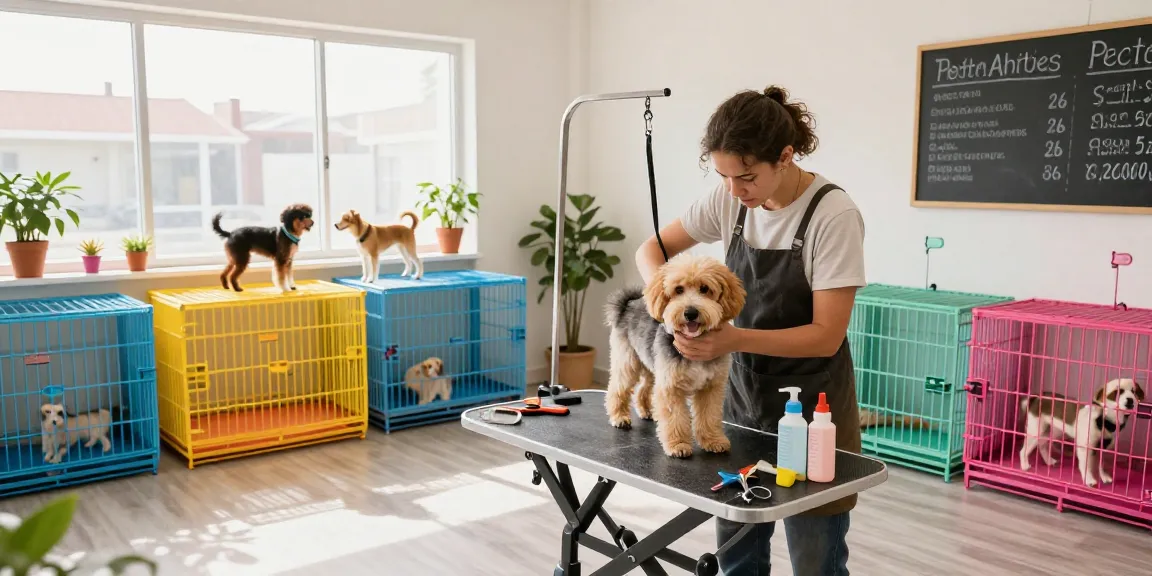
Understanding the Importance of Pet Groomer Cages
In the world of pet grooming, ensuring a safe and comfortable environment for animals is paramount. Pet groomer cages play a critical role in this process, serving as a secure haven for pets during grooming procedures, waiting periods, and post-grooming relaxation. These specialized cages not only protect the groomed pets but also enhance the efficiency of the grooming process itself. As a grooming professional, selecting high-quality cages can significantly impact both the animal’s experience and your operational efficiency.
When exploring options, Pet Groomer Cages provide comprehensive insights into the kinds of cages available, helping you make informed decisions tailored to your unique needs.
What Are Pet Groomer Cages?
Pet groomer cages, also known as grooming cages or kennel cages, are specialized enclosures designed for pets in grooming facilities. These cages come in various sizes and materials, catering to different breeds and temperaments. A well-designed grooming cage offers both a safe place to contain pets during grooming sessions and a comfortable environment that reduces their anxiety.
Benefits of High-Quality Groomer Cages
- Safety: High-quality cages are designed with secure locks and safe materials to prevent escapes or injuries.
- Comfort: Optimized ventilation and appropriate padding ensure that pets remain comfortable during their stay.
- Durability: Quality cages can withstand the rigors of daily use without significant wear and tear.
- Hygiene: Easy-to-clean surfaces help maintain a sanitary environment for both pets and groomers.
Choosing the Right Cages for Your Business
When selecting cages for your grooming business, it’s essential to consider several factors. Assess the size of your space, the number of pets you typically service, and the types of breeds you cater to. Modular cages can be a versatile option, allowing you to adapt the layout as your business grows or changes. Additionally, evaluating the specific needs of your clientele, such as those requiring extra space or comfort, will help ensure you choose the most appropriate cages.
Types of Pet Groomer Cages and Their Features
Stainless Steel vs. Plastic Groomer Cages
The material of a grooming cage can significantly influence its performance and longevity. Stainless steel cages are often favored for their strength, durability, and ease of cleaning. They are resistant to rust and damage, making them a long-term investment for pet grooming businesses. On the other hand, plastic cages offer a lightweight alternative that can be more cost-effective. While they are easy to transport and can provide comfort through insulation, they may not support the same weight or withstand wear as stainless steel options.
Modular Grooming Cages for Space Optimization
Modular grooming cages are designed to be customizable, allowing groomers to rearrange them according to the day’s needs. These systems are particularly beneficial for businesses that experience varying traffic levels or those that wish to maximize limited space. By investing in modular systems, you can easily adapt to different animal sizes and numbers, ensuring that every pet is accommodated comfortably.
Specialized Features for Comfort and Safety
Many modern grooming cages come equipped with specialized features designed to enhance the safety and comfort of the animals. These may include:
- Temperature control: Some cages have built-in heating or ventilation systems to maintain a comfortable climate.
- Viewing windows: This feature allows pets to see their surroundings, which can help alleviate anxiety.
- Non-slip floors: To prevent accidents, many cages are designed with non-slip surfaces.
Best Practices for Using Pet Groomer Cages
Cage Placement and Setup in Your Salon
The placement of your grooming cages can affect workflow and animal comfort. It is advisable to position them in a quiet area away from high-traffic zones to minimize stress for the pets. Setting up cages at different heights can also help optimize space, allowing for better visibility and access while maintaining safety.
Cleaning and Maintenance Tips
Maintaining cleanliness in your grooming cages is essential for preventing the spread of diseases. Regularly cleaning and disinfecting the cages, particularly after each pet’s use, will ensure a hygienic environment. Use pet-safe cleaning products and ensure that all surfaces, including doors and latches, are thoroughly wiped down to eliminate any potential pathogens.
Monitoring Pet Behavior and Comfort
Effective monitoring of pets in your grooming cages is key to ensuring their well-being. Keeping an eye on their behavior can help you identify signs of stress or discomfort early, allowing you to address their needs promptly. Providing toys or calming music can also improve the overall experience for pets while they wait for grooming services.
Real-World Case Studies: Impact of Quality Groomer Cages
Success Stories from Grooming Professionals
Many grooming facilities have reported improved efficiency and client satisfaction following the introduction of high-quality cages. For instance, a mid-sized grooming salon in California noted a significant reduction in pet anxiety and a boost in repeat clients after investing in stainless steel modular cages. Staff reported that pets appeared more relaxed, leading to a more cheerful environment for both animals and groomers.
Before and After: Transforming Pet Care Environments
Transformative results can be achieved by upgrading to newer, more efficient grooming cages. Before implementing high-quality cages, one grooming facility faced daily complaints regarding design limitations and pet stress levels. After the upgrade, they reported a 70% decrease in stress-related behaviors among pets, leading to improved grooming times and happier customers.
Long-term Benefits for Your Business
Investing in quality cages is not just about immediate comfort; it can enhance your business’s reputation. Satisfied clients are likely to share their positive experiences, leading to new clientele through word-of-mouth referrals. Moreover, efficient operations supported by the right cages can lead to increased profitability over time.
Future Trends in Pet Groomer Cages for 2026
Innovations in Pet Grooming Equipment
The grooming industry is poised for several innovations in the coming years, particularly in the design and functionality of grooming cages. Features such as integrated temperature control, smart monitoring systems, and even automated cleaning technologies are anticipated to become commonplace in high-end grooming salons.
Eco-Friendly Materials and Sustainable Practices
As environmental awareness grows, the demand for eco-friendly materials in pet grooming equipment is expected to rise. Groomers are likely to seek out cages made from sustainable sources that are both durable and less harmful to the environment. Manufacturers that prioritize eco-friendly practices are poised to gain a competitive edge in the industry.
Predictions for the Pet Grooming Industry
As we approach 2026, it is predicted that the pet grooming industry will continue to evolve, with an increasing emphasis on pet welfare. High-quality, innovative cages that prioritize comfort, safety, and hygiene will be essential in setting grooming businesses apart in a competitive market. Groomers who adapt to these trends will not only improve their service quality but also enhance their business’s reputation.
Frequently Asked Questions
What are pet groomer cages made of?
Pet groomer cages are typically made from stainless steel, plastic, or a combination of both materials. The choice of material depends on factors such as durability, ease of cleaning, and cost.
How to maintain pet groomer cages?
Regular cleaning with pet-safe disinfectants, routine checks for wear and tear, and ensuring proper ventilation are key aspects of maintaining grooming cages effectively.
How much do pet groomer cages cost?
The price of pet groomer cages can vary widely based on size, material, and additional features. Basic plastic cages might start around $100, while high-end stainless steel modular cages can cost several thousand dollars.
What size cages are best for small dogs?
Small dogs typically require cages that are 24 to 30 inches in length. It’s essential to provide enough space for the dog to stand, turn around, and lie down comfortably.
Are modular cages worth the investment?
Yes, modular cages allow for greater flexibility and adaptability in grooming spaces. They can be rearranged to suit different needs, making them a valuable investment for growing businesses.