
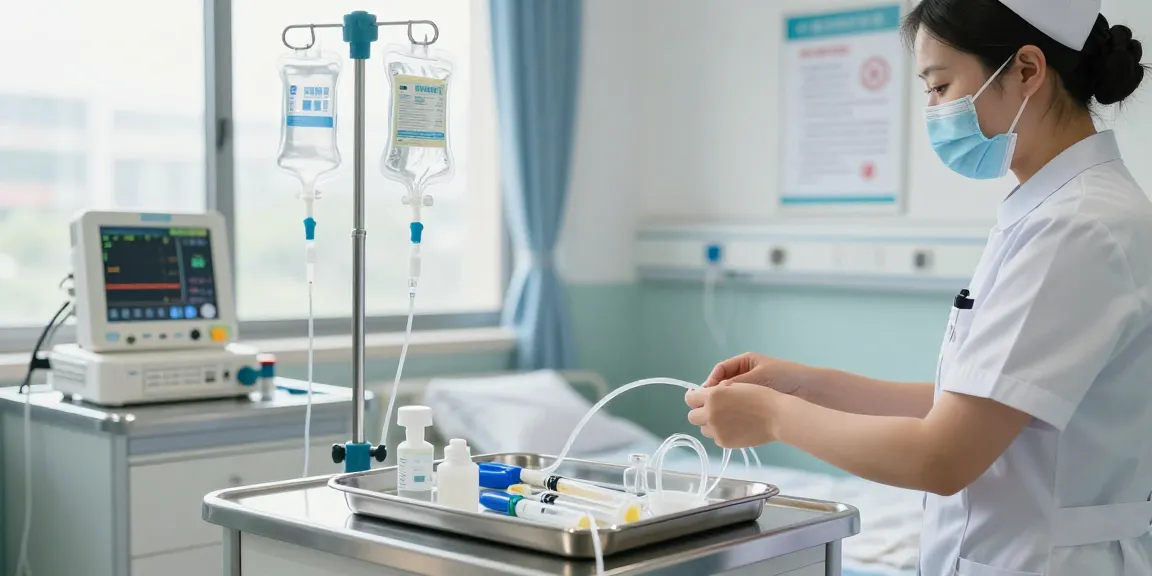
Understanding IV Supplies: An Overview
Intravenous (IV) supplies play a vital role in modern healthcare, providing essential avenues for medication delivery, fluid replacement, and nutritional support to patients. Whether in hospitals, clinics, or outpatient settings, understanding the nuances of IV supplies is crucial for healthcare professionals. This article aims to shed light on the importance of IV supplies, their types, best practices, and future trends shaping this vital field in 2026.
What Are IV Supplies and Their Importance?
IV supplies encompass a vast array of products designed for administering fluids, medications, and nutrients directly into the bloodstream. This method ensures rapid absorption and immediate action, making it an invaluable tool in emergency medicine, surgery, and chronic disease management. The importance of IV supplies lies not only in their immediate therapeutic effects but also in their capacity to enhance patient care, improve outcomes, and reduce hospital stays.
Types of IV Supplies: A Comprehensive Breakdown
IV supplies can be classified into specific categories based on their function and application:
- IV Catheters: These are flexible tubes inserted into the vein to administer fluids and medications. They come in various gauge sizes to accommodate different patient needs.
- IV Bags: Typically containing saline or other solutions, IV bags are crucial for delivering hydration and essential nutrients.
- IV Infusion Pumps: These devices control the rate and volume of fluid delivery, providing precise medication dosages to patients.
- Needles and Syringes: Used for drawing blood or administering injections, these supplies are critical for both IV placement and bolus drug delivery.
- Administration Sets: Comprising tubing and connectors, these sets facilitate the transfer of fluids from the bag to the patient’s IV catheter.
Best Practices for Using IV Supplies
Preparing IV Supplies: Step-by-Step Instructions
Proper preparation of IV supplies is paramount for patient safety. Here’s a step-by-step guide:
- Gather all necessary supplies, including IV catheters, bags, and infusion sets.
- Ensure all equipment is sterile and within the expiration date.
- Perform hand hygiene and don personal protective equipment (PPE).
- Prepare the IV site with appropriate antiseptic solutions.
- Carefully insert the catheter and secure it in place.
Administering IVs: Techniques and Safety Protocols
Administering IV medications or fluids requires stringent adherence to safety protocols:
- Verify Patient Identity: Always confirm the patient’s identity using two identifiers.
- Check Allergies: Review the patient’s allergy history before administering medications.
- Monitor Infusion Rates: Regularly check the infusion rates to prevent over-infusion or air embolism.
- Document Procedures: Maintain detailed records of the administration process, including time, dosages, and patient responses.
Handling and Storing IV Supplies: Guidelines
Proper handling and storage of IV supplies are essential for maintaining their efficacy:
- Store supplies in a clean, dry environment away from direct sunlight.
- Regularly check expiration dates and dispose of expired items safely.
- Ensure that sterility is maintained during storage and handling.
- Label all supplies clearly to avoid mix-ups and ensure easy access.
Challenges in IV Supply Management
Addressing Common Issues in IV Administration
Healthcare professionals often face challenges while administering IVs, including:
- Infiltration: This occurs when IV fluid leaks into surrounding tissue, causing swelling and discomfort. Prompt recognition and management are crucial.
- Phlebitis: Inflammation of the vein can occur due to mechanical irritation or infection, necessitating prompt intervention.
- Air Embolism: This is a rare but serious complication that can occur if air enters the IV line. Continuous monitoring is essential to prevent this hazard.
Potential Risks and How to Mitigate Them
Understanding potential risks associated with IV therapy can help in implementing preventative measures:
- Infection Control: Always follow aseptic techniques and maintain proper hand hygiene.
- Equipment Malfunction: Regularly inspect and maintain IV equipment to prevent failures during administration.
- Patient Monitoring: Continuous assessment of the patient’s response to IV therapy can help in early detection of complications.
Supply Chain Challenges in IV Supplies
The management of IV supplies is not without complications, particularly regarding supply chains. Disruptions can arise from:
- Global shortages of essential components.
- Increased demand during health crises, such as pandemics.
- Regulatory challenges affecting manufacturing and distribution.
Future Trends in IV Supplies for 2026
Innovations in IV Technology
As we look to the future, several innovations are anticipated to reshape IV supply management:
- Smart IV Pumps: These devices may integrate AI technology to optimize medication dosing and enhance patient safety.
- Wearable IV Devices: Emerging technologies may allow for more mobile IV solutions, improving patient comfort and mobility.
- Telemedicine Integration: Remote monitoring of IV therapy is expected to become common, allowing healthcare professionals to manage therapies more effectively.
Regulatory Changes Impacting IV Supplies
As regulations evolve, healthcare providers will need to stay abreast of changes that affect IV supply standards:
- Increased focus on sustainability may influence manufacturing practices.
- Enhanced tracking requirements could ensure better traceability of IV supplies.
- New guidelines may emerge regarding the sterilization and reuse of certain equipment, affecting supply availability.
Anticipating Healthcare Needs: Future Directions
In the context of evolving healthcare needs, IV supplies must adapt:
- Personalized medicine workflows will require tailored IV administration strategies.
- Integration with electronic health records (EHRs) could enhance data sharing and improve treatment protocols.
- Increased demand for home healthcare solutions will drive innovation in IV therapy delivery systems.
Real-World Applications and Case Studies
Case Studies of Effective IV Supply Management
Examining real-world examples of successful IV supply management can provide valuable insights:
- A hospital that implemented a robust inventory management system saw a 20% reduction in supply costs over two years.
- Another facility improved patient outcomes by training staff on the latest IV administration techniques, leading to a decrease in infiltration rates.
Lessons Learned from IV Administration Errors
Learning from past mistakes is essential in healthcare. Common errors might include:
- Incorrect medication administration due to labeling errors.
- Failure to monitor the IV site leading to complications.
Analyzing these incidents helps refine protocols and improve patient safety.
Success Stories in Improving Patient Care Through IV Supplies
Implementing best practices in IV supply management has led to numerous success stories:
- A clinic that adopted a standardized IV protocol improved patient satisfaction scores significantly.
- Research showed that hospitals with advanced training programs for IV therapy reported fewer complications and faster recovery times for patients.
What are the most common types of IV supplies?
The most common types of IV supplies include IV catheters, administration sets, IV bags, and infusion pumps, each serving distinct roles in patient care.
How can healthcare professionals ensure the safe administration of IVs?
Healthcare professionals can ensure the safe administration of IVs by adhering to strict protocols, performing thorough monitoring, and maintaining open communication with patients.
What are the latest trends in IV supply technology?
Latest trends in IV supply technology point toward automation, increased safety measures, and enhanced data integration for better patient outcomes.
Why is proper storage of IV supplies crucial?
Proper storage of IV supplies is crucial to maintain sterility, efficacy, and readiness for use, minimizing the risk of infections and complications.
How can healthcare facilities optimize their IV supply management?
Healthcare facilities can optimize their IV supply management by implementing inventory control systems, training staff adequately, and incorporating feedback loops to continuously improve processes.