
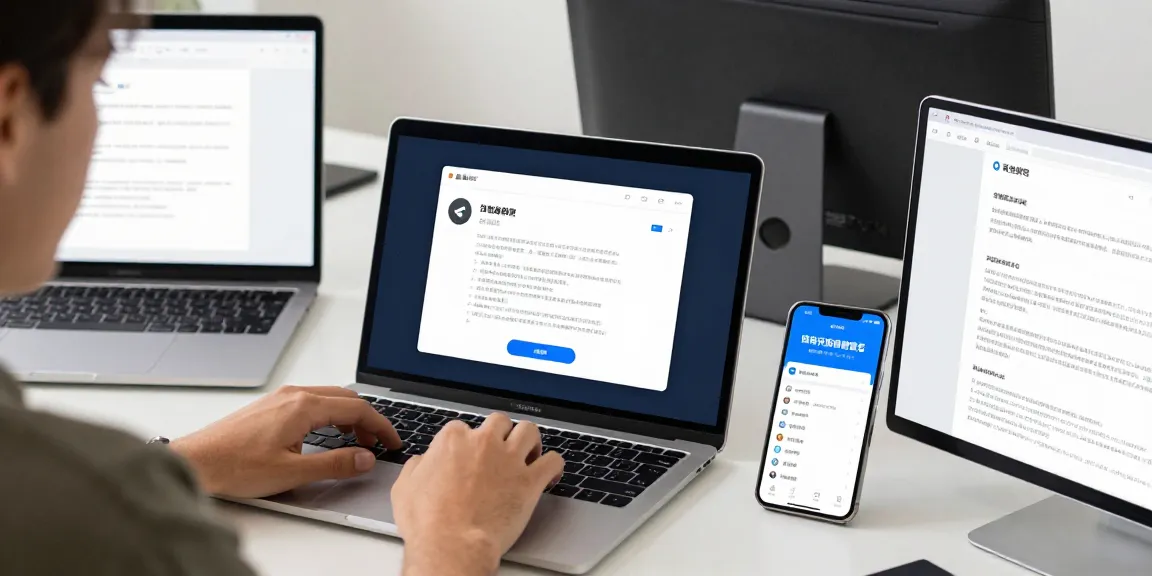
Understanding Telegram中文 Language Settings
As the demand for secure messaging apps grows, Telegram has emerged as a leading player in the instant messaging arena, primarily due to its robust end-to-end encryption and diverse functionalities. However, one significant challenge remains for Chinese-speaking users: the absence of native support for the Chinese language within the app. This article aims to provide a comprehensive guide on how to set up the Telegram interface in Chinese, known as Telegram中文, addressing both Simplified and Traditional Chinese options while discussing the limitations and future outlook of Telegram’s localization efforts.
What is Telegram中文 and Its Importance?
Telegram中文 refers to the unofficial adaptation of the Telegram interface into Chinese, allowing users who primarily speak Chinese to navigate and utilize the app more effectively. As a platform that champions privacy and security, it is vital for Telegram to cater to its Chinese-speaking user base to enhance user experience and broaden its reach in a market where instant messaging apps are extensively used. By providing a user-friendly interface, Telegram中文 empowers users to fully leverage the app’s capabilities without language barriers.
Challenges Faced by Chinese Users in Telegram
Despite its immense capabilities, the lack of official Chinese language support in Telegram creates various challenges for users. Many Chinese-speaking individuals find it difficult to engage with the app’s features, as the interface is predominantly in English. This language barrier can lead to confusion and an underutilization of Telegram’s advanced functionalities, which include group chats, channels, and bots. Additionally, non-official language packs vary in quality and completeness, which further complicates the user experience.
Overview of Language Pack Options
Currently, Telegram relies on user-generated language packs to support the Chinese language. These packs are not officially validated by Telegram and can differ significantly in translation accuracy and completeness. Users can generally choose between Simplified Chinese, which is more widely used in mainland China, and Traditional Chinese, which is prevalent in Hong Kong and Taiwan. The adaptability of these language packs allows users some flexibility, but the reliance on unofficial sources means that updates and improvements may lag behind the app’s development.
Step-by-Step Guide to Setting Up Telegram中文 on Desktop
Installing Telegram Desktop for the First Time
Before you can switch to Telegram中文, you need to install the Telegram Desktop application, which is available for both Windows and Mac platforms. Visit the official Telegram website to download the latest version of the app. Once installed, simply log in to your account using your phone number. If you do not have an account, the registration process is straightforward and can be completed in a few steps.
Selecting the Right Language Pack
To transition your Telegram interface to Chinese, you need to select a suitable language pack. Users have several options:
- Simplified Chinese: This language pack typically has a higher completeness percentage compared to the others.
- Traditional Chinese (Hong Kong): This version has about 99% translation completion.
- Traditional Chinese (Taiwan): Similar to the Hong Kong version, this also boasts a 99% translation completion rate.
Click the link corresponding to the desired language pack, and you will receive a prompt to open Telegram Desktop.
Applying the Language Pack Correctly
Once Telegram is open, a window will display the translation progress of the selected language pack. Click the “Apply Language” button to implement the new language settings. After this step, your Telegram interface will update to display in the chosen Chinese language, making navigation significantly easier for Chinese-speaking users.
Integrating Telegram中文 on Mobile Devices
Downloading and Installing Telegram on Android and iOS
For mobile users, downloading and installing the Telegram app is similar across both Android and iOS platforms. You can find the app in the Google Play Store or Apple App Store. After installation, log into your account to begin the process of switching languages.
Choosing and Applying Language Packs on Mobile
Similar to the desktop, selecting a language pack on mobile is straightforward. Use the following links explicitly designated for mobile users:
- Simplified Chinese: Click here
- Traditional Chinese (Hong Kong): Click here
- Traditional Chinese (Taiwan): Click here
When you tap the link for your preferred language pack, your mobile browser will prompt the Telegram app to open. You can then apply the language pack using the “Apply Language” button.
Troubleshooting Common Mobile Language Settings Issues
If you encounter issues when setting up Telegram中文 on your mobile device, ensure that you have the latest version of the Telegram app. Sometimes, conflicts with older versions can lead to difficulties in applying language settings. Additionally, if the translations appear incomplete or inaccurate, consider checking the community groups for updates on language packs or reporting issues to the developers for potential fixes.
Language Pack Limitations and Solutions
Understanding the Limitations of Non-Official Language Packs
While non-official language packs provide a solution for users wishing to navigate Telegram in Chinese, they come with limitations. These can include outdated translations, inaccuracies in terminology, and a general lack of support from the official Telegram team. Users should be prepared for the possibility that some terms may not translate perfectly or may not reflect the latest Telegram updates.
How to Stay Updated on Language Pack Improvements
To mitigate these issues, users can join Telegram groups dedicated to language localization. These communities often share the latest updates on translation efforts and may provide improved language packs. Additionally, users can provide feedback on translations, contributing to the ongoing enhancement of Telegram中文.
Community Resources for Language Support
Various online forums and social media platforms also serve as valuable resources for users seeking language support. Many Telegram users actively discuss their experiences and solutions to common problems related to language settings. Engaging with these communities can help you stay informed and connected with other users who share similar challenges.
Looking Ahead: Future of Telegram中文 in 2026
Expected Updates and Features for Chinese Users
As Telegram continues to evolve, it is expected that more focus will be placed on improving user experience for the Chinese community. This may include the official release of a Chinese language pack, which would significantly enhance accessibility for Chinese-speaking users who currently rely on unofficial translations. Staying tuned to the Telegram blog or update notes will be essential for users looking to benefit from these changes.
Predicted Trends in User Interface Localization
In the coming years, user interface localization is anticipated to become a key trend in app development. As more global users engage with applications like Telegram, the demand for personalized language settings will drive companies to prioritize localization efforts. This shift could lead to better-quality language packs and more frequent updates tailored to the needs of specific language users.
Strategies for Enhancing User Experience in Telegram中文
For a more satisfying experience with Telegram中文, users should consider providing feedback on the language packs they use. This engagement can inform developers about the most pressing issues and enhance future iterations of language packs. Additionally, users are encouraged to explore all Telegram functionalities to fully appreciate the app’s potential, even in a language they may not be entirely fluent in.
What are the benefits of using Telegram中文?
The primary benefits of using Telegram中文 include improved usability, enhanced accessibility for non-English speakers, and a more enjoyable overall user experience. The ability to navigate an app comfortably in your native language can greatly increase user satisfaction and engagement with the platform.
How to troubleshoot issues with Telegram中文 language packs?
To troubleshoot language pack issues, first ensure that you are using the latest version of Telegram. Then, check for community updates regarding the language pack and report any discrepancies or problems you encounter. Engaging with user forums can also lead to potential solutions.
Can Telegram中文 improve communication for businesses?
Yes, implementing Telegram中文 can enhance communication for businesses operating in Chinese-speaking markets. By using a localized interface, organizations can facilitate better internal communication and customer interactions, leading to improved service delivery and customer satisfaction.
What updates are expected for Telegram中文 in 2026?
As previously mentioned, there is potential for official Chinese language support to be introduced in 2026. This would be a significant leap toward inclusivity for Chinese users and a response to the growing demand for comprehensive language options within the app.
How to report translation issues in Telegram中文?
To report translation issues, users can reach out to community groups on Telegram dedicated to localization. Providing specific examples and contexts for any problems encountered will help developers understand and prioritize these issues for resolution.