Understanding Custom Railings in Vancouver
In the bustling city of Vancouver, the aesthetic and functional design of properties plays a significant role in both residential and commercial spaces. Among the key elements that contribute to the overall appeal and safety of a structure are custom railings. Custom railings not only serve as vital support systems but also enhance the architectural style of a property. When exploring options, custom railing vancouver offers a wide range of designs suited to various tastes and requirements. This article delves into the intricacies of custom railings, their benefits, and how they can transform your space.
What Are Custom Railings?
Custom railings refer to uniquely designed railing systems that are tailored to meet specific preferences, safety standards, and aesthetic requirements of a property. Unlike standard railings, custom options allow for a variety of materials, colors, and styles, making it possible to create a perfect match for any environment, whether it be a sleek modern home or a classic traditional building.
Importance of Custom Railings for Different Properties
The significance of custom railings extends beyond mere appearances. They play a crucial role in the safety and security of both residential and commercial properties. In public spaces, such as restaurants and shopping centers, attractive railings can guide visitors while also preventing accidents. For homes, railings add an essential layer of protection for children and pets, ensuring peace of mind for homeowners.
Types of Materials Used in Custom Railings
Custom railings can be crafted from a variety of materials, each offering distinct benefits:
- Steel: Highly durable and strong, steel railings can withstand harsh weather conditions, making them ideal for exterior applications.
- Aluminum: Lightweight and rust-resistant, aluminum railings are perfect for coastal environments where saltwater exposure is a concern.
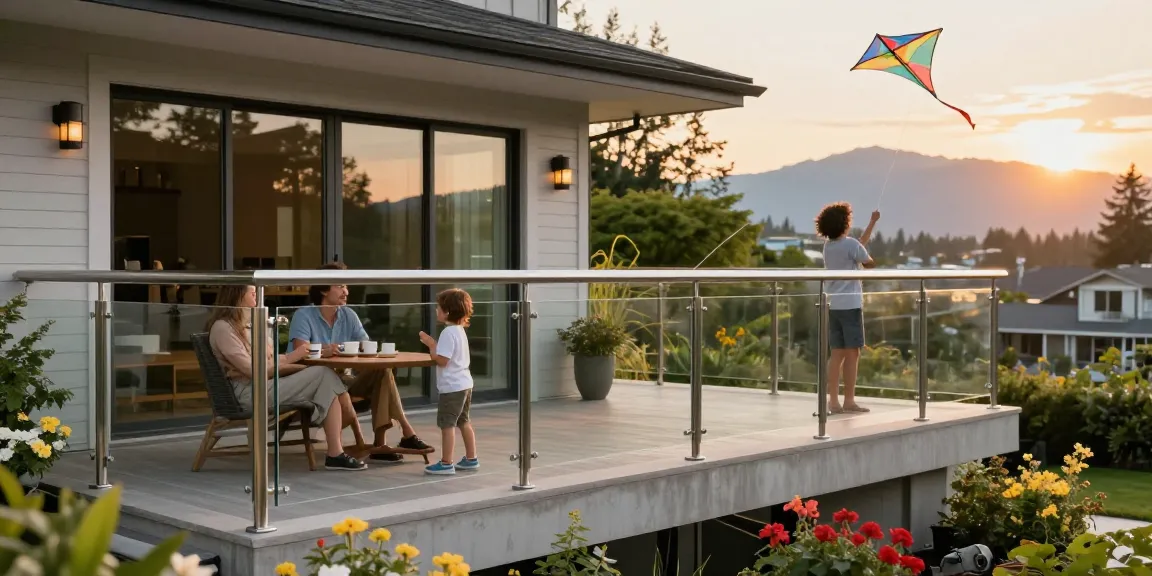
- Glass: Providing an unobstructed view, glass railings are increasingly popular for modern homes and can create a sleek, open feel.
- Wood: Offering a classic look, wood railings can be customized with stains and finishes but require more maintenance over time.
Benefits of Choosing Custom Railings
Enhancing Safety and Security
One of the primary benefits of custom railings is the enhanced safety they provide. Properly designed railings are essential for preventing falls in areas such as staircases, balconies, and decks. Moreover, by adhering to local building codes, professional railing manufacturers ensure that their products meet safety standards, which can mitigate liability issues for property owners.
Boosting Aesthetic Appeal of Your Property
Custom railings significantly enhance the aesthetic appeal of a property. By tailoring the design to complement the architectural style and landscape, homeowners can create a cohesive look that elevates the overall ambiance. Whether opting for bold iron accents or sleek glass panels, the right custom railing can become a focal point that impresses guests and passersby alike.
Tailored Solutions for Unique Needs
Every property is unique, and so are its railing needs. Custom railings allow homeowners and builders to address specific requirements such as height, style preferences, and functional applications. This customization ensures that the final product is not only beautiful but also practical, catering to the specific needs of the property.
Choosing the Right Railing Design
Modern vs. Traditional Styles
When selecting a railing design, it’s essential to consider the overall style of the property. Modern designs often incorporate clean lines, minimalist features, and materials like glass and stainless steel, while traditional styles may use intricate ironwork or natural wood. The choice between modern and traditional should reflect the desired look of the home or business, ensuring seamless integration with existing architecture.
Factors to Consider When Designing Custom Railings
Several factors influence the design of custom railings:
- Building Codes: Compliance with local safety regulations is a must. It’s essential to verify that the chosen railing meets all necessary standards.
- Environment: Consideration of the local climate can determine the best materials to use, especially in areas with significant rainfall or salt exposure.
- Aesthetic Preferences: Homeowners should consider personal style and how the chosen design will mirror or enhance the property’s character.
Popular Trends in Custom Railings for 2026
As we look forward into 2026, several trends are emerging in custom railing design:
- Eco-Friendly Materials: Sustainable options, including recycled materials and sustainable wood, are gaining traction among environmentally conscious homeowners.
- Mixed-Material Railings: Combining glass with metal or wood is a popular trend that creates visual interest while maintaining functionality.
- Smart Railings: Integrating lighting and smart technology into railings to enhance safety and ambiance, particularly for outdoor spaces.
The Custom Railing Design Process
Initial Consultation and Design Concepts
The journey to your custom railing begins with an initial consultation. During this phase, clients discuss their needs, preferences, and the specific requirements of their space with a design expert. This meeting often involves assessing the property and gathering inspiration for the design.
Fabrication and Installation Services
Once the design is finalized, the next step is fabrication. Skilled craftsmen utilize the latest techniques and equipment to create the railings according to the agreed specifications. After fabrication, professional installers take over, ensuring that the railings are securely and correctly fitted.
Final Inspection and Quality Assurance
Before finalizing the project, a thorough inspection is conducted to ensure that every detail meets the specified requirements and safety standards. This step is crucial not only for compliance but also for ensuring customer satisfaction with the finished product.
Frequently Asked Questions About Custom Railings
How much do custom railings cost?
The cost of custom railings can vary widely based on material, design complexity, and installation requirements. On average, homeowners can expect to pay anywhere from $700 to $10,000, depending on the specifics of the project.
What materials are best for outdoor railings?
For outdoor railings, materials such as aluminum, stainless steel, and treated wood are recommended due to their resistance to corrosion and harsh weather conditions. Each material offers different aesthetic appeals and levels of maintenance.
Are your custom railings compliant with local building codes?
Yes, reputable custom railing manufacturers take local building codes into account during the design and installation processes, ensuring that all products are safe and compliant.
What maintenance is required for custom railings?
Maintenance requirements can depend on the material used. For example, wood railings may require regular sealing or staining, while metal railings might only need occasional cleaning. Glass railings are generally low maintenance, requiring only soap and water to maintain their clarity.
How long does the installation process take?
The installation time can vary based on the project size and complexity, but most residential projects can be completed within a few days, including all necessary inspections and adjustments.