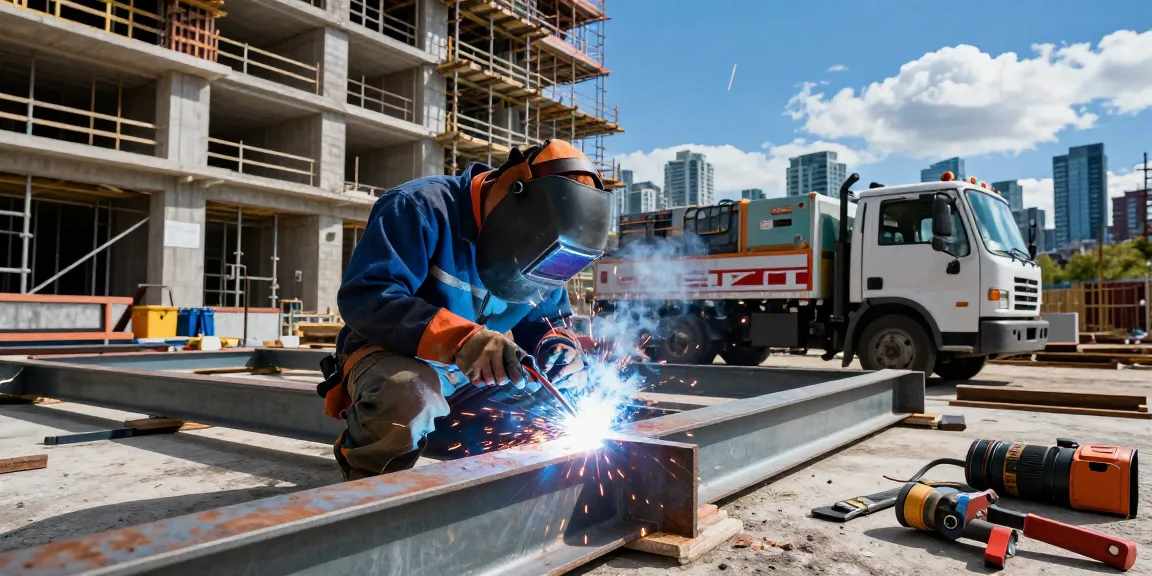
Understanding the Role of Structural Engineering Consultant Canada
In the rapidly growing infrastructure landscape of Canada, the role of a Structural Engineering Consultant Canada has become integral to ensuring that construction projects are not only aesthetically pleasing but also structurally sound and resilient. Structural engineering consultants play a vital role in the design, analysis, and construction of various structures, ranging from commercial buildings to bridges, ensuring compliance with safety standards and local regulations.
What is a Structural Engineering Consultant?
A structural engineering consultant is a licensed professional responsible for assessing, designing, and managing the structural integrity of buildings and other infrastructures. They utilize advanced engineering principles and tools to ensure that structures can withstand the loads and forces they encounter throughout their lifespans, including environmental factors like wind, earthquakes, and snow loads. In Canada, structural engineers often collaborate with architects, contractors, and project managers to translate design concepts into safe, functional, and enduring structures.
Key Responsibilities and Services Provided
- Design Analysis: Structural engineers analyze forces acting on structures and design components to manage these forces effectively.
- Load Calculations: They calculate the loads that buildings must bear, including live loads (people and furniture) and dead loads (the weight of the structure itself).
- Material Selection: Consultants select appropriate materials based on performance requirements, sustainability considerations, and cost-effectiveness.
- Compliance Assessment: Structural engineers ensure that their designs comply with local building codes and safety regulations, which vary across different provinces and municipalities.
- Project Management: They may also oversee construction processes, ensuring that projects adhere to design specifications and timelines.
Importance of Structural Engineering in Various Industries
Structural engineering is crucial across various industries, including residential, commercial, industrial, and infrastructure development. In the residential sector, structural engineers focus on ensuring the safety and stability of homes, while in commercial construction, they address larger loads and more complex designs. In infrastructure projects like bridges and highways, their work ensures the resilience and durability necessary to handle public transport and traffic loads. Successful structural engineering plays a significant role in preventing costly failures and ensuring that structures can be safely inhabited and used by the public.
Essential Qualifications and Skills of Structural Engineers
Educational Requirements for Structural Engineers in Canada
To become a structural engineer in Canada, candidates typically require a bachelor's degree in civil or structural engineering. Many universities offer specialized programs focusing on structural analysis, design, and dynamics. Following their degree, engineers must complete several years of supervised practical experience, usually under the mentorship of a licensed professional engineer (P.Eng.). This experience is critical for obtaining the necessary licensure to practice independently.
Technical Skills Required for Effective Consulting
Effective structural engineering consultants possess a range of technical skills, including:
- Software Proficiency: Familiarity with advanced structural engineering software like AutoCAD, Revit, and SAP2000 for design and analysis.
- Mathematical Skills: Strong mathematical abilities to perform complex calculations related to forces, stresses, and structural loads.
- Analytical Skills: The capability to analyze designs, identify potential issues, and propose practical solutions.
Soft Skills: Communication and Project Management
In addition to technical expertise, soft skills are equally important for structural engineers. Effective communication skills enable them to collaborate with different teams, present ideas clearly, and negotiate solutions. Project management skills help them manage timelines, budgets, and team dynamics efficiently, ensuring projects are completed on schedule and within budget.
Common Challenges Faced by Structural Engineering Consultants
Addressing Regulatory Compliance and Codes
One of the most significant challenges structural engineering consultants face is ensuring compliance with the evolving building codes and regulations specific to each province and municipality. Staying informed about changes in legislation requires ongoing education and engagement with industry bodies.
Managing Project Constraints and Client Expectations
Structural engineers must also navigate various project constraints, such as budget limitations, time restrictions, and site-specific challenges. Balancing these constraints while meeting client expectations is crucial for the success of any project. This entails regular communication with clients to clarify needs and manage feedback throughout the design and construction processes.
Navigating Technological Changes in Engineering
With rapid advancements in engineering technology, consultants must continually adapt and integrate new tools and methodologies into their workflow. This may include adopting BIM (Building Information Modeling) practices or leveraging data analytics for predictive modeling. Keeping pace with technological innovations can be challenging but is essential for maintaining a competitive edge.
Best Practices for Working with a Structural Engineering Consultant Canada
Effective Communication Strategies
Clear communication is fundamental when working with structural engineering consultants. Clients should articulate their vision, requirements, and budget constraints from the outset. Regular check-ins throughout the project facilitate transparency and help address any issues promptly.
Project Lifecycle Management with Engineering Consultants
Involving structural engineers early in the project lifecycle enhances the overall design process, ensuring that structural considerations are integrated from the beginning. This collaboration allows for a comprehensive understanding of the project's scope and promotes innovative solutions to potential challenges.
Leveraging Technology for Improved Outcomes
Utilizing advanced engineering tools and technologies can significantly improve project outcomes. Consultants should advocate for the use of software that enhances design accuracy, such as 3D modeling and simulations. This technological integration facilitates better communication, reduces errors, and streamlines the construction process.
Future Trends in Structural Engineering Consulting by 2026
Adoption of Sustainable Practices and Green Engineering
As the drive for sustainability grows, structural engineers are increasingly integrating eco-friendly practices into their designs. This includes selecting sustainable materials, prioritizing energy efficiency, and considering the environmental impact of construction processes. The demand for green engineering solutions is likely to increase, pushing consultants to innovate continuously.
The Impact of Digital Twins and AI on Engineering
Digital twin technology and artificial intelligence are becoming game-changers in structural engineering. These technologies allow engineers to create real-time simulations of structures, enabling predictive maintenance and optimal performance analysis. By 2026, we can expect broader adoption of these technologies as they provide valuable insights throughout the lifecycle of a structure.
Emerging Materials and Technologies in Structural Design
The development of new materials, such as self-healing concrete and advanced composites, is revolutionizing structural design. These materials not only enhance structural integrity but also extend the lifespan of buildings significantly. Engineers will need to stay abreast of these innovations to deliver cutting-edge solutions.
How to Choose the Right Structural Engineering Consultant Canada?
Choosing the right structural engineering consultant involves assessing their qualifications, experience, and expertise in specific project types. Potential clients should also review past projects and client testimonials to gauge the consultant's capability in delivering quality results consistently.
What are the benefits of hiring a structural engineering consultant?
Hiring a structural engineering consultant can bring numerous benefits, including access to specialized knowledge, innovative design solutions, improved compliance with regulations, and enhanced project efficiency. Their expertise can help navigate complex construction challenges and ultimately lead to successful project outcomes.
How can structural engineering consultants help with regulatory compliance?
Structural engineering consultants are well-versed in local codes and regulations, ensuring that designs meet all necessary compliance requirements. They play a critical role in the approval process, providing the documentation and calculations required by regulatory bodies.